

What Goes Into a Quality Fridge Magnet? Full Guide to Materials, Craft Standards and Safety Knowledge
Fridge magnets are one of the most common small decorative and souvenir products in daily life, widely used in home decoration, tourist souvenirs, corporate promotional gifts and educational scenarios. Most users only pay attention to their appearance pattern and adsorption effect, but know little about the internal material composition, production process standards and potential safety risks. In fact, qualified fridge magnets need to meet strict magnetic performance, material environmental protection and safety specifications, especially products for children and food contact environments. This popular science interpretation will start from basic principles, comprehensively sort out the professional knowledge of fridge magnet products, and provide reference for purchasing and daily use.
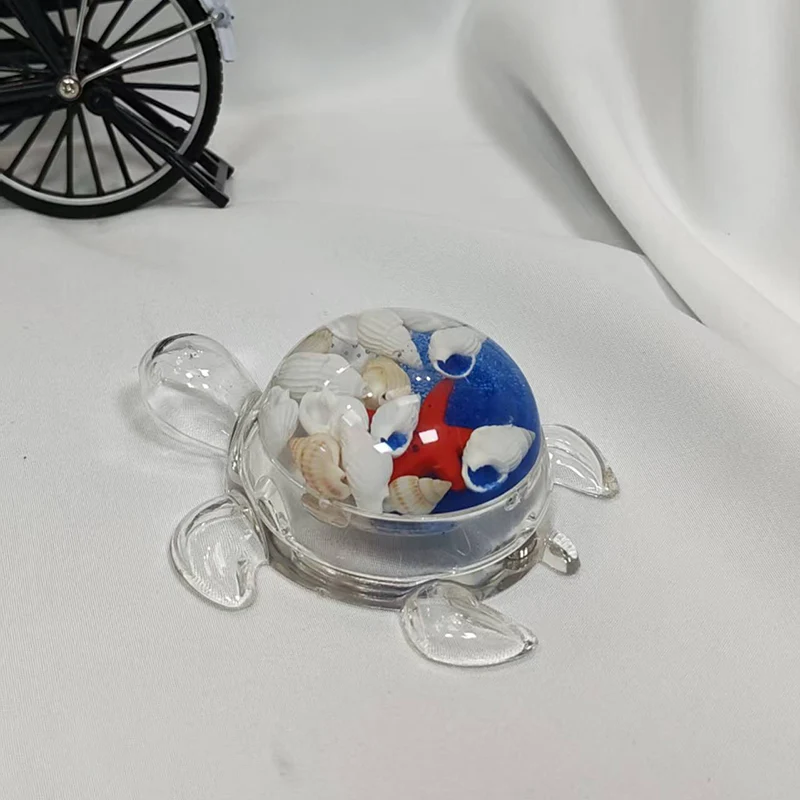
1. Basic Principle: Why Can Fridge Magnets Stick to Refrigerators?
The adsorption capacity of fridge magnets comes from the magnetic material on the back and the ferromagnetic metal surface of the refrigerator door panel. The core working principle is the mutual attraction between magnetic poles. The magnetic material on the back of the magnet forms a stable magnetic field. When it is close to iron, nickel and other ferromagnetic materials, the magnetic field lines pass through the metal surface to generate suction, so that the magnet can be firmly attached to the surface of the refrigerator, whiteboard, filing cabinet and other objects.
According to different magnetic material properties, fridge magnets are mainly divided into two categories: soft ferrite magnets and hard permanent magnets. Soft ferrite rubber magnets are the most widely used. They are made by mixing ferrite magnetic powder and rubber polymer. They have certain flexibility, can be cut into any shape, and have moderate suction force, which will not scratch the surface of objects. Hard permanent magnets such as neodymium iron boron have stronger suction force, but are hard and brittle, mostly used in heavy-duty magnetic products for specific scenarios.
It should be noted that the suction force of fridge magnets is not as strong as possible. Excessive magnetic force will make it difficult to remove and may even pinch fingers. Ordinary household decorative magnets only need 0.3–0.8kg of suction force to meet the needs of fixing photos, notes and lightweight items.
2. Mainstream Material Classification and Performance Characteristics
Fridge magnet products are composed of two parts: surface decorative layer and bottom magnetic layer. Different surface materials determine the appearance effect, service life and applicable scenarios of the product. The mainstream categories on the market are as follows:
Paper printed fridge magnets.
The surface is made of copperplate paper or synthetic paper, with colorful patterns printed on it, and then covered with a layer of bright film or matte film for protection. This is the most cost-effective type, with rich patterns and strong customizability. It is widely used in tourist souvenirs and corporate promotional gifts. The disadvantage is that the surface is not waterproof, and long-term contact with water vapor is easy to fade and wrinkle, suitable for dry indoor environment.
Epoxy dome fridge magnets.
On the basis of printed patterns, a layer of transparent epoxy resin adhesive is dropped on the surface to form a crystal clear three-dimensional arc effect, commonly known as "drip glue magnet". The surface is smooth, waterproof and wear-resistant, with bright colors and a high-grade texture. It is the mainstream high-quality choice for souvenir and boutique retail markets. The epoxy layer can effectively protect the internal pattern, and the normal service life can reach 3–5 years.
Acrylic fridge magnets.
The surface is made of transparent acrylic plate, and the pattern is sandwiched between acrylic and magnetic layer by UV printing or sandwich process. It has high hardness, scratch resistance, clear and transparent pattern, and strong three-dimensional sense. It is mostly used in creative cultural and creative products and high-end gift customization. It has good waterproof and oil resistance, and is suitable for kitchen and other oily and humid environments.
Wooden and bamboo fridge magnets.
Made of natural wood or bamboo as the base material, the pattern is presented by laser engraving or UV printing. It has natural texture and environmental protection attributes, and is matched with retro and fresh style. It is very popular in home decoration and cultural and creative souvenir markets. The disadvantage is that it is easy to deform and mildew in humid environment for a long time, so it is not suitable for pasting near the refrigerator refrigeration area with heavy water vapor.
Metal fridge magnets.
Mostly made of zinc alloy, stainless steel and other metal materials, with three-dimensional shape made by die-casting, stamping and enamel process. It has heavy texture, high durability and strong collection value. It is often used in high-end tourist souvenirs, brand limited products and collection-grade magnets. The price is relatively high, and it belongs to the medium and high-end product category in the industry.
3. Core Production Process and Quality Judgment Standards
The quality difference of fridge magnets is mainly reflected in the production process details. Qualified products need to meet four core process standards to ensure stable performance and long service life.
Printing color fastness standard.
High-quality products use environmentally friendly ink and high-precision offset printing or UV printing process, with clear pattern edges, natural color transition, and no color difference and ghosting. After surface lamination or epoxy treatment, the color fastness reaches grade 4–5, and it will not fade obviously after 2 years of normal indoor use. Inferior products use low-cost inkjet printing, with blurred patterns and easy fading after a few months.
Magnetic layer bonding firmness.
The surface decorative layer and the bottom magnetic layer are bonded by special pressure-sensitive adhesive. Standard products need to go through high and low temperature cycle tests, and there will be no degumming and delamination within the normal temperature range of -10°C to 60°C. Inferior products use cheap glue, which is easy to degum and warp in high temperature environment in summer, seriously affecting the service life.
Edge cutting precision.
Regular products are formed by die-cutting or laser cutting, with neat and smooth edges, no burrs and flashes, and the pattern is aligned with the magnetic layer without offset. Irregular burrs and rough edges are typical characteristics of inferior small workshop products, and may even scratch fingers and object surfaces during use.
Surface protection process.
Except for wooden and metal products with special texture, most daily-use fridge magnets need surface protection treatment. Bright film, matte film and epoxy glue are the three mainstream protection processes, which can effectively isolate water vapor, oil stain and ultraviolet rays, and extend the service life of the pattern. Products without any protective layer have poor durability and are only suitable for short-term promotional use.
4. Safety Compliance Knowledge That Cannot Be Ignored
Fridge magnets are small objects that are easily accessible to children, and their safety standards have been strictly regulated by countries around the world. Products sold in formal markets must meet the following compliance requirements:
Magnetic safety requirements.
According to CPSC and ASTM F963 standards, small magnets that may be swallowed by children must have sufficient volume to avoid choking risk; if the diameter is less than 32mm, the magnetic flux index must be limited to prevent serious damage to the digestive tract after accidental ingestion. Products for children under 14 years old also need to pass small part torsion and tension tests to avoid magnetic blocks falling off and being swallowed by mistake.
Material environmental protection standards.
Surface printing ink and plastic materials must comply with EU REACH regulations, and the content of heavy metals such as lead, cadmium and mercury and harmful plasticizers must be lower than the limit standard. Products that may come into contact with food indirectly need to meet food contact material safety requirements to prevent harmful substances from migrating to food. Regular manufacturers will provide corresponding test reports for each batch of raw materials.
Flammability requirements.
Rubber magnetic materials and surface plastic parts need to meet certain flame retardant standards to avoid becoming a fire hazard in high temperature environment. This is especially important for products used in household appliances such as refrigerators and microwave ovens.
5. 2026 Industry Development Trends
With the upgrading of consumer demand and the prosperity of cultural and creative and customized gift markets, the global fridge magnet industry is developing towards high quality, personalization and environmental protection.
Personalized customization demand grows rapidly.
Corporate promotional gifts, tourist scenic spot souvenirs and personal DIY customized orders account for an increasing proportion. Digital printing technology supports small batch and fast customized production of single piece, and the delivery cycle is shortened from the traditional 7–15 days to 2–3 days. Customized products with photos, names and exclusive patterns are more and more popular among consumers.
Eco-friendly materials become the mainstream direction.
In response to global plastic reduction policies, more and more manufacturers adopt recycled paper, bamboo wood, biodegradable PLA and other environmentally friendly materials to replace traditional plastic parts. The back magnetic layer also gradually uses low-pollution formula materials, and products with environmental protection certification are more favored by European and American buyers.
Functional compounding becomes a new highlight.
Fridge magnets are no longer limited to decorative and adsorption functions. Multi-functional products such as bottle opener magnets, whiteboard pen holder magnets, thermometer magnets and wireless charging magnets are emerging. The integration of practical functions improves product added value and expands application scenarios.
6. Scientific Selection and Daily Maintenance Guide
Selection Suggestions: For ordinary household decoration, choose epoxy or acrylic products with waterproof and wear-resistant surface; for children's educational use, choose products with large volume, rounded edges and certified safety; for long-term outdoor or humid environment, choose metal or acrylic products with better weather resistance; for bulk customized gifts, prioritize manufacturers with complete testing qualifications and mature production technology.
Daily Maintenance Tips: - Do not violently bend and twist soft rubber magnets to avoid internal magnetic powder fracture and magnetic force attenuation; - Wipe the surface with a clean damp cloth. Do not use strong acid and alkali cleaners to avoid corrosion and fading of the surface protective layer; - Keep away from high temperature environments above 60°C such as oven and radiator to prevent glue failure and magnetic layer demagnetization; - Keep away from electronic products such as magnetic cards, watches and pacemakers to avoid magnetic field interference; - Keep small magnets out of the reach of infants and young children to prevent accidental ingestion danger.
7. FAQ: Common Misunderstandings
Q1: The thicker the magnet, the stronger the suction?
A: Not exactly. The suction force is mainly related to the magnetic powder content and magnetization grade of the magnetic layer, not simply determined by thickness. Some inferior products increase thickness but have low magnetic powder content, and the suction force is not strong but increases unnecessary weight.
Q2: Can all fridge magnets be attached to any refrigerator?
A: Most refrigerator door panels are made of iron and can be adsorbed normally. However, some high-end refrigerators use stainless steel door panels with non-magnetic properties, or the surface is covered with a thick glass decorative layer, which will obviously weaken or even completely fail the magnet adsorption.
Q3: Will fridge magnets lose their magnetism after a long time?
A: Under normal room temperature use, the magnetic attenuation of ferrite magnets is extremely slow, and the magnetic force can be maintained for more than 10 years. However, long-term high temperature, strong impact and contact with reverse strong magnetic field will accelerate demagnetization and shorten the service life.
Conclusion
Although fridge magnets are small in size, they involve multidisciplinary professional knowledge such as material science, printing technology and safety standards. A high-quality fridge magnet is not only a decorative ornament, but also a product that meets safety specifications, has stable performance and durable use. Understanding its material characteristics, process standards and safety knowledge can help consumers avoid purchasing traps and choose products that match the usage scenario; for industry practitioners, improving product quality, complying with international safety standards and grasping the trends of customization and environmental protection are the core keys to maintaining market competitiveness.
Disclaimer: This article is popular science knowledge and industry trend analysis of fridge magnet products, compiled based on public international safety standards, material technical specifications and market research data, for purchasing and daily use reference only. For product safety certification and customized production, please refer to the official test report and detailed parameters provided by regular manufacturers.